
What If the Agency Model was Designed for Self-Preservation, Instead of Being Designed to Lead?
Most Marketing Agencies love to call themselves your “partner” and “extension of your team.” It sounds great on a website. It feels reassuring in a pitch deck. But if we’re honest, that language is rarely true in practice.
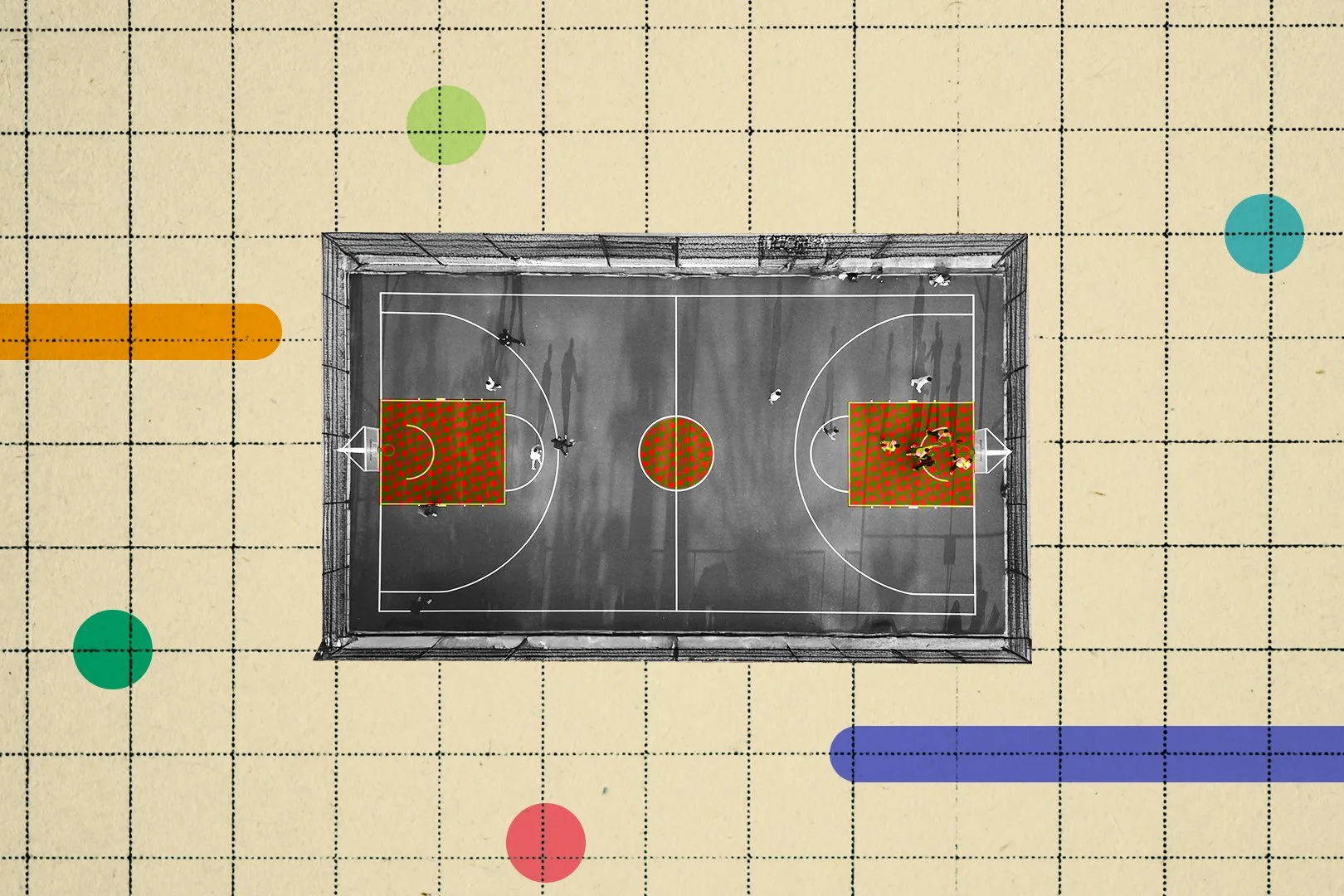
If you think about what a team actually is, those words feel…inaccurate. Teams pursue a shared goal. When one team wins, the opposing team loses. You cannot be on both teams at the same time and pretend there’s no conflict of interest.
That's the first core problem with the traditional Agency model. The second is depth of engagement. Together, these two differences explain why the Fractional CMO model is fundamentally more aligned with what growing organizations actually need.

Alignment vs. Self-Preservation
Most Agencies are, by design, “hired guns.” They are optimized for self-preservation and self-propulsion: keep the pipeline full, keep the retainers flowing, grow the book of business.
That shows up in a few ways:
They’re willing to work with multiple organizations in the same category, sometimes in the same market
Their success is measured primarily by billings, not by whether your business actually wins in a competitive landscape
They may talk like teammates, but they behave like vendors
A Fractional CMO cannot afford to operate like that.
When a Fractional CMO truly embeds with an organization, their incentives get tied to outcomes. If they help a direct competitor win, it directly threatens their work with you. They would be “winning and losing” at the exact same time.
That forces a different standard:
Strict ethical boundaries around conflicts of interest
A smaller, intentionally non-competing portfolio of clients
A commitment to protect the lessons you paid to learn, instead of turning them into a case study to sell to your rivals
The result is simple but rare: aligned interests. You’re not hiring a gun. You’re adding leadership to your team.
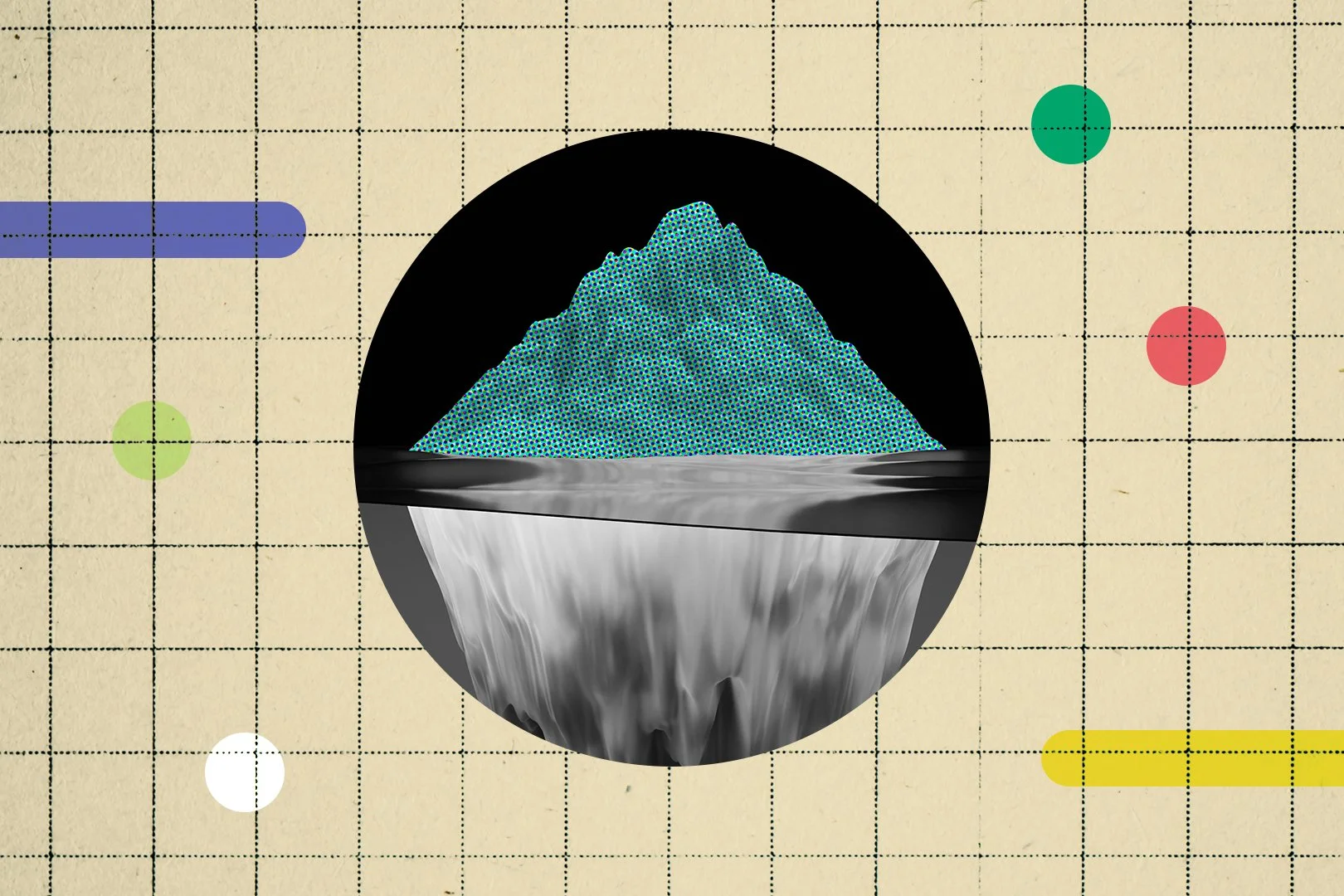
Deep Embedding vs. Fee-for-Service
Simple emotions are a start. Someone might feel a little joy when they see a nice photo, or a little anticipation before a sale.
The second major difference is depth.
Traditional Agencies carve out detailed scopes of work and then address your goals only through the lens of their billable services. Creative. Media. Social. Email. Whatever is in the SOW is what gets attention. Whatever is outside of it is “not our lane.”
That’s efficient for the Agency. It is not necessarily what your business needs.
A Fractional CMO, by contrast, is expected to get into the messy parts:
Understanding your operations, not just your brand guidelines
Weighing in when something is going sideways, even if you did not ask a “Marketing question”
Paying attention to politics, bottlenecks, headwinds, and tailwinds inside the organization, not just the category you compete in
Because a Fractional CMO sits inside your leadership conversations, far fewer topics are “off limits.” They see your weekly scorecard, the jam-ups in your process, the trade-offs you’re making between growth and capacity. And then they shape the Marketing strategy around those realities.
Most growing organizations do not have five to ten years to slowly build a Marketing department and a seasoned CMO. They typically need both…sort of on-demand. They need:
A Marketing thought leader who can set direction
A Marketing team that can execute the plan
The Fractional CMO model is built for exactly that moment: when you need senior-level thinking and a functional Marketing “department,” but you are not ready—or not willing—to carry that full-time cost structure.

Why the Fractional CMO Model Is the Future
As markets get noisier and competition gets sharper, the gap between “vendor” and “team member” matters more than ever.
Organizations do not just need more campaigns. They need someone who will:
Protect their information and insights as if they were internal
Connect dots between operations, sales, and Marketing instead of staying in a narrow lane
Bring in lessons from adjacent, non-competing fields and apply them wisely
That is what the best Fractional CMOs are designed to do.
The Agency model isn’t going away tomorrow. There will likely always be a place for specialized production partners. But the idea that an outside Agency, juggling dozens of competing accounts, can serve as your true Marketing leader is increasingly out of step with the demands of the market.
The future belongs to organizations that treat Marketing leadership as a core part of the team—even if that leader is Fractional.
