Rethinking the Relationship Between Brand, CapEx, and OpEx
As we roll into 2026, a familiar pattern is already starting to show up in conversations with leadership teams currently looking for a change with Marketing:
“What should our marketing plan look like next year?”
That sounds like a simple question, but it isn’t.
Underneath it, there are usually a few quieter questions:
Where can we reduce spend without hurting revenue?
Where do we need to double down even if it’s uncomfortable on the P&L?
And maybe the hardest: do we really believe our Brand is an asset, or do we still treat it like a discretionary expense?
Preparing for the CFMA talk on Brand, CapEx, and OpEx forced me to crystallize something I've been feeling for a while:
If we want our 2026 Marketing plans to work, we have to stop treating Brand like a line item and start treating it like a long-term asset.
Accounting will still put it in the OpEx column. But our mindset doesn’t have to.
Marketing is not the billboard.
I’ve said this in the CFMA presentation and I’ll keep saying it until I’m blue-in-the-face:
Marketing is not advertising.
Advertising is merely one tactic.
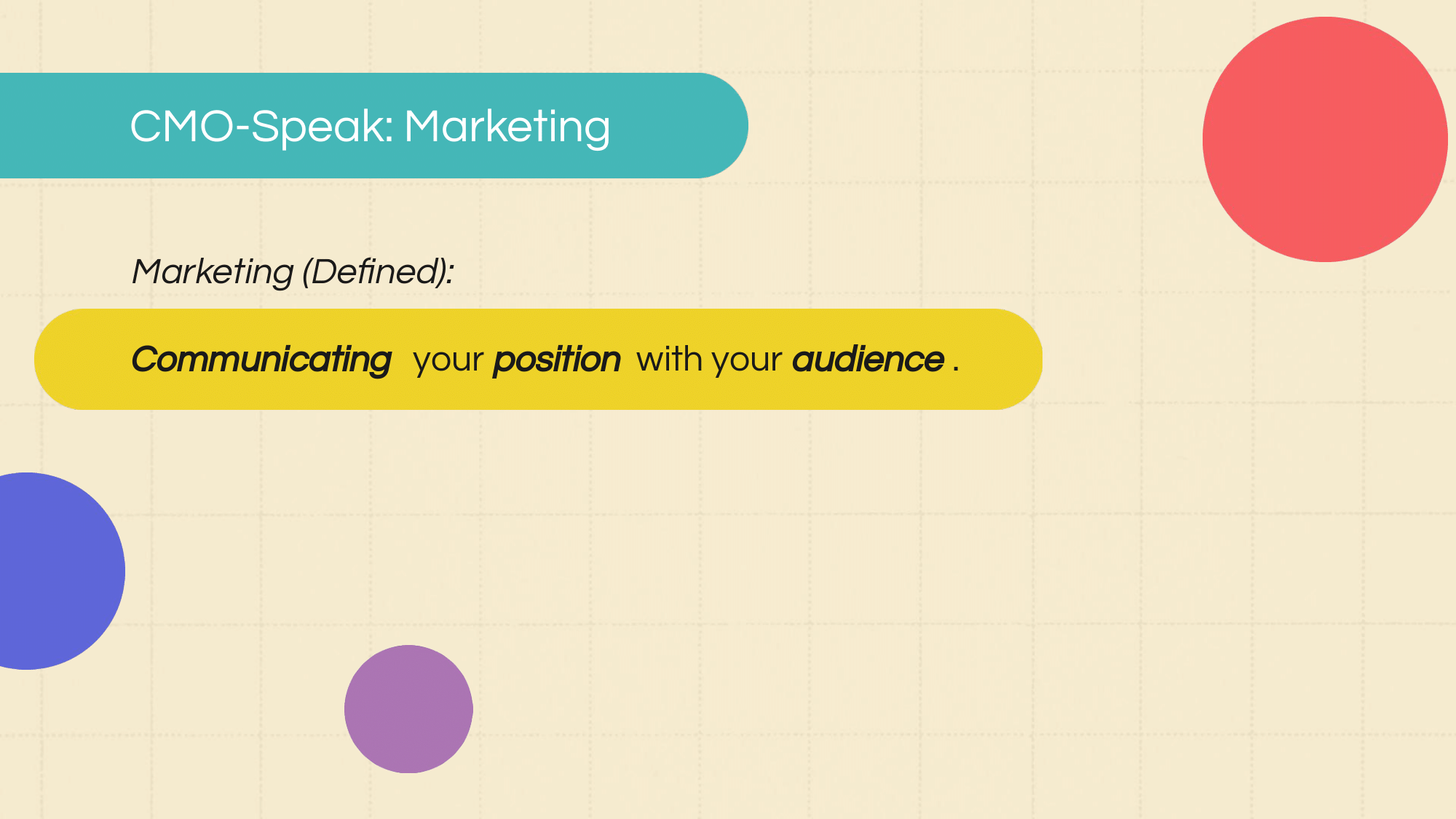
Marketing, as I define it, is:
Communicating your position with your audience.
Those three words—communicating, position, audience—are the backbone of any serious Marketing plan.
When we jump straight to channels and tactics (more Google Ads, less print, a podcast, no podcast, etc.), we are skipping over the hard part:
Position: Who are we in relation to everyone else our buyer is considering?
Audience: Who is the bullseye we actually care about?
Communication: What are we saying, and how will they actually hear it?
Cutting an underperforming Ad channel can be a smart move. But when we cut the work that clarifies our position and audience, we end up doing what I call expensive random acts of marketing. We stay busy. We publish content. We “post more on LinkedIn.”
And then we wonder why our future pipeline looks suspiciously like our past.
The dark funnel is where 2026 is already being decided
There’s a part of your buyer’s journey that your CRM will never see. People sometimes call it the dark funnel:
A text thread between peers: “Hey, who do you use for this?”
A side conversation at an association event
An internal meeting where someone asks, “Does anyone actually trust Vendor X?”
Your 2026 results are being shaped there, right now, months before an inquiry hits your inbox.
In that room, someone says one of three things about you:
“We’ve worked with them. They’re great.”
“We’ve worked with them. Never again.”
“Who?”
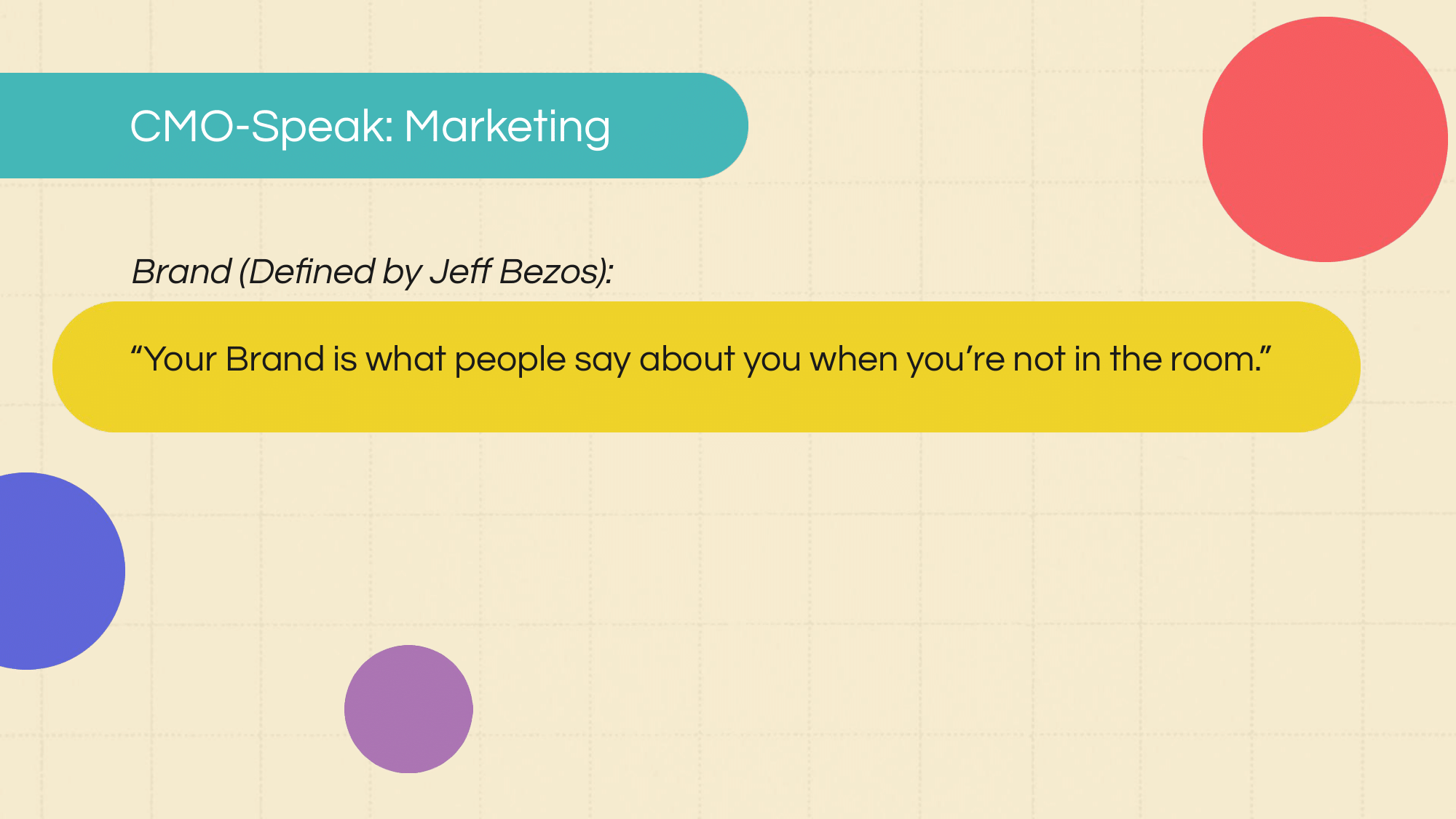
Your Marketing plan matters. Your website matters. Your content matters. But in the dark funnel, what really travels is how people feel about you when you’re not in the room. (All the credit for that quote goes to Jeff Bezos, that guy is really going places!)
That’s a Brand.
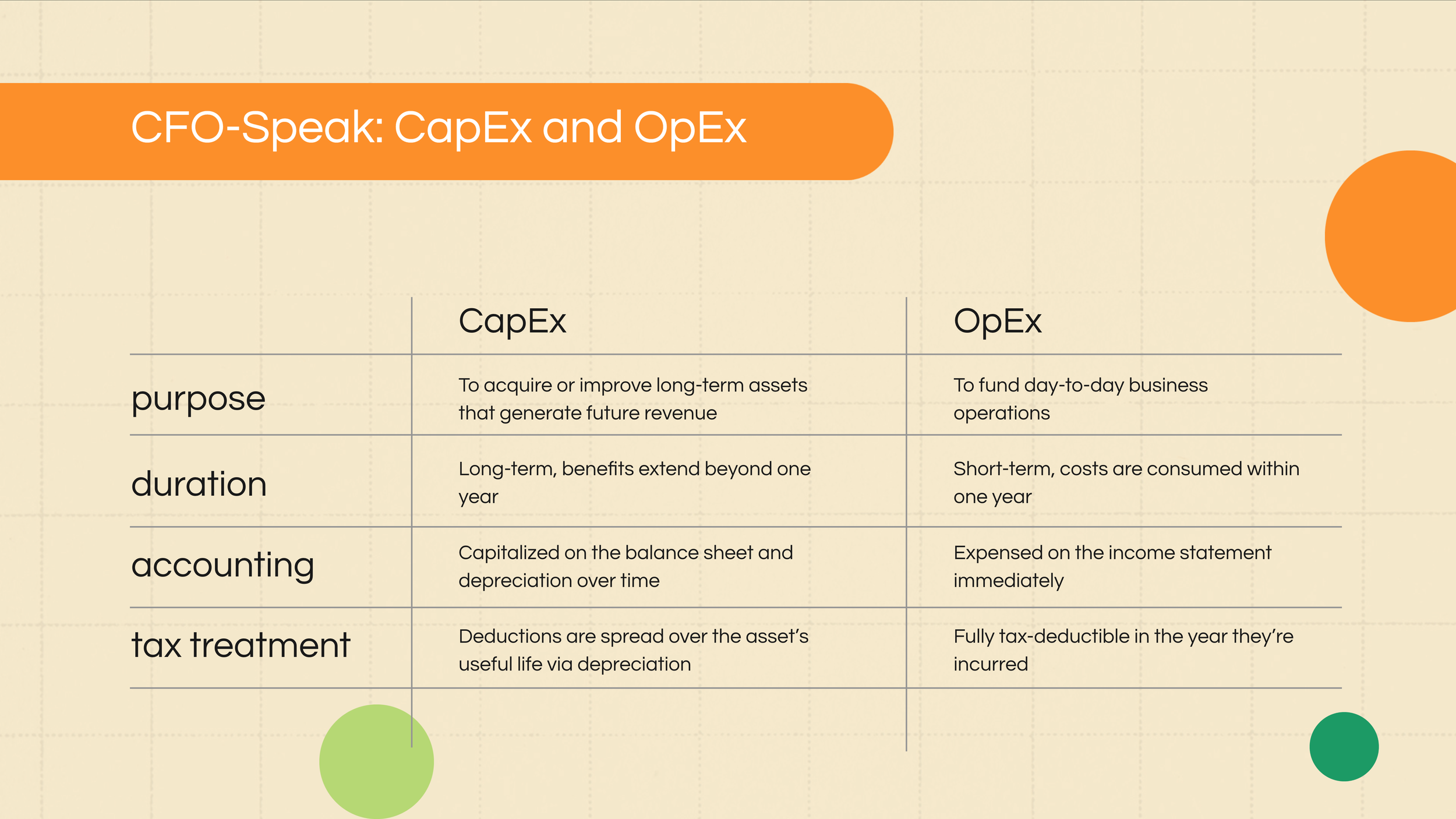
CapEx vs. OpEx: the accounting is fixed, the mindset is flexible
On the books, Marketing and Branding are OpEx. They should be. I’m not suggesting we try to finagle the chart of accounts.
But if we let the tax treatment dictate our strategic treatment, we will keep asking small questions of something that can create big outcomes.
CapEx language sounds like this:
“We’re okay investing now to unlock bigger, better opportunities later.”
“We want to own a capability, not rent it ad‑by‑ad.”
“We’re building something we expect to last.”
OpEx‑only language sounds like this:
“What did this campaign do for us this month?”
“Can we do the same thing, but cheaper?”
“If we cut this, does anyone notice right away?”
For 2026, I’d suggest we borrow the CapEx mindset, even if we can’t borrow the CapEx accounting treatment:
Start with the asset question
What kind of Brand do we want to own?
What kind of position do we want in the market?
What kind of pricing power and referral flywheel do we want?
Then design the plan that builds that Brand asset
Which stories do we need to tell consistently?
Which audiences do we need to bond with long before they’re “in market”?
Which experiences (good or bad) are we repeatedly creating for customers?
[This is where we shift from broad messaging to intentionally creating content for an audience of one.]
Only then ask how to pace and fund it responsibly
What can we phase?
What can we measure it monthly, quarterly, vs. annually?
What experiments earn more investment and which ones don’t?
Same dollars. Different order of questions.
Five questions I’d ask in every 2026 Marketing planning meeting
As we work through 2026 plans with clients (and with ourselves), these are the questions we’re bringing into the room:
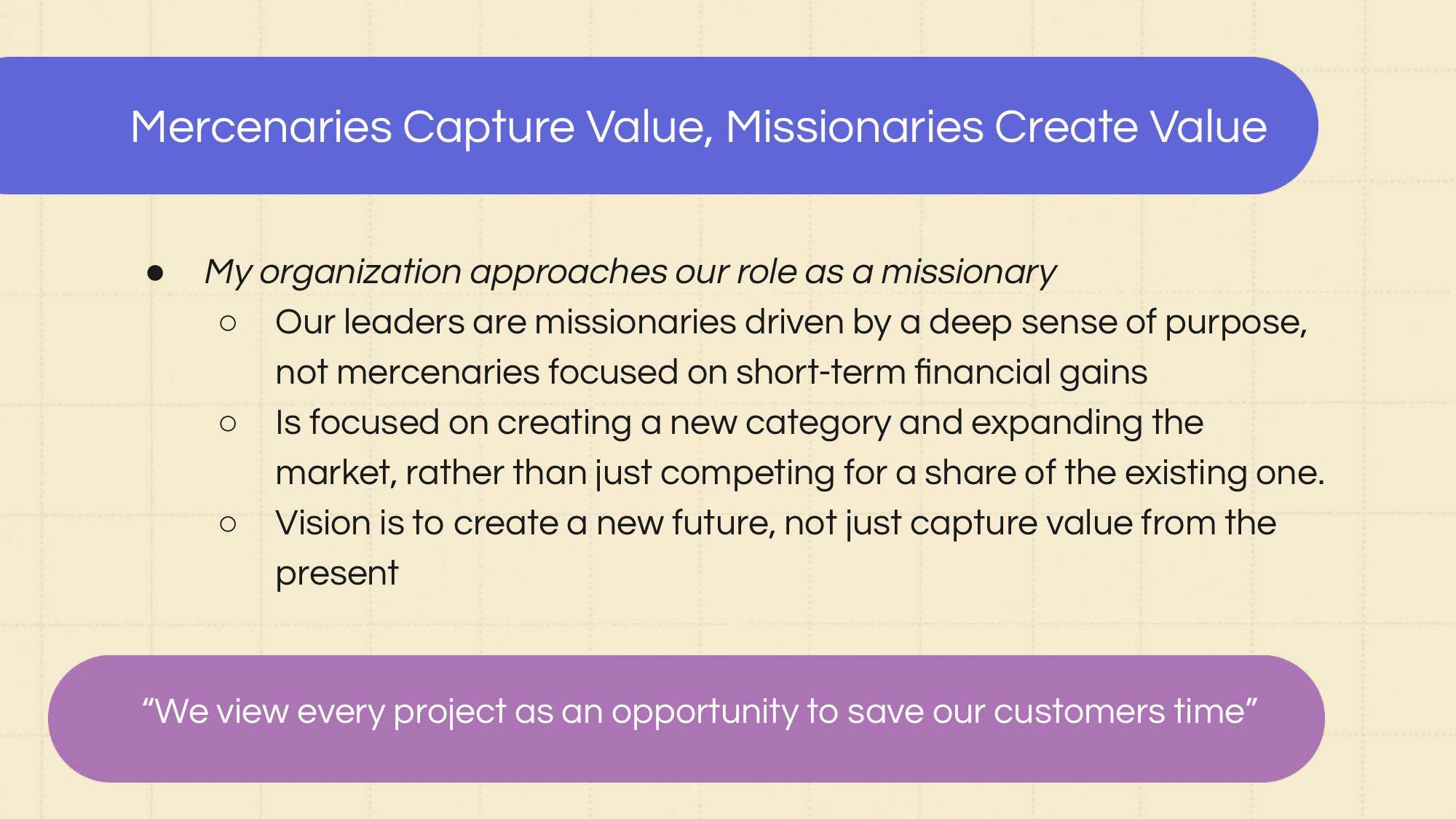
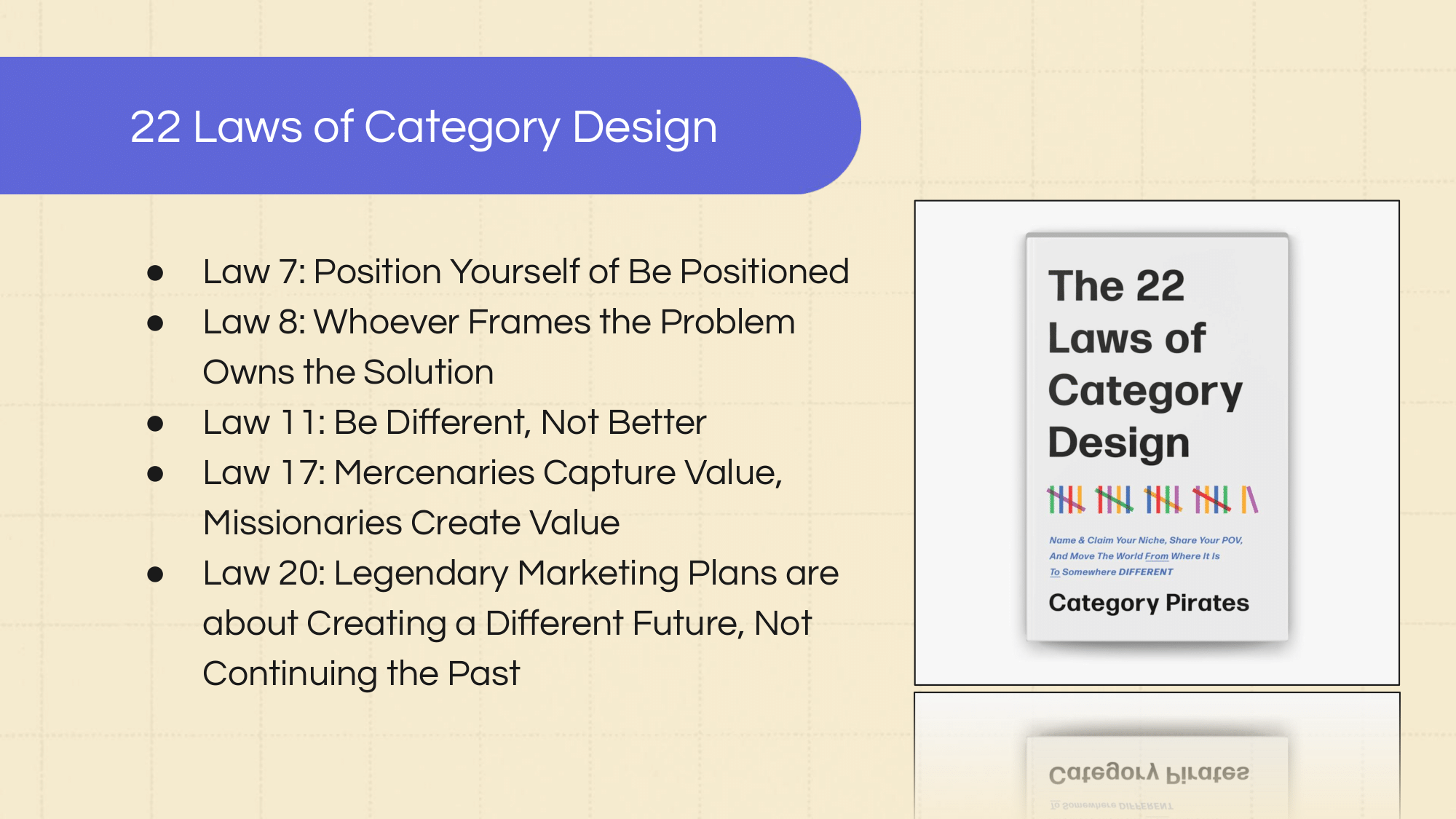
Where are we missionaries, and where are we still mercenaries?
Are we clear about the change we’re trying to create for our customers, or are we just chasing whatever revenue is closest? Missionaries create categories. Mercenaries skim value from categories someone else created.
Are we truly different, or just slightly better?
If we scraped your name and logo off your website, proposals, and decks, could someone still tell it’s you? If the answer is “probably not,” then the first 2026 project isn’t a new campaign—it’s a positioning reset.
Do our Marketing and sales stories actually match?
What Marketing says: “We’re about X.”
What BD and sales say in the room: often “We’re about Y.”
Misalignment here is expensive. Your Brand promise and your sales narrative need to be singing the same song.
What part of our Brand are we willing to treat like a long-term build?
Not everything. Just one or two things:
A flagship content series that owners and peers actually talk about.
A clear POV on a problem in your space that you’re willing to own.
A consistent, visible proof point that you deliver what you say you do.
Where did the dark funnel help or hurt us in 2025—and what are we going to do about it?
Where did we hear, “You were the only name everyone agreed on”?
Where did we lose quietly with no feedback?
Those stories are data. Your future Marketing plan should respond to them.
These are not “nice to have” questions. They are the Marketing plan.
A simple positioning exercise (before you open the spreadsheet)
Before the spreadsheet fight begins, I’d challenge any leadership team to do this on a whiteboard or in a notebook:
Write down the category you’re in today.
Not the category you wish you were in. The one your buyers would write down.
Write down the category you want to be in by the end of 2026.
This might be a shift from “contractor” to “design–build partner,” from “vendor” to “strategic advisor,” etc.
Write a single, honest sentence about how you are different from the other names in that category.
If you can't, that's the first Marketing project of 2026.
Only after that would I open the budget and ask, “What do we need to do, and invest in, so that this positioning isn’t just words on a slide?”
Looking forward
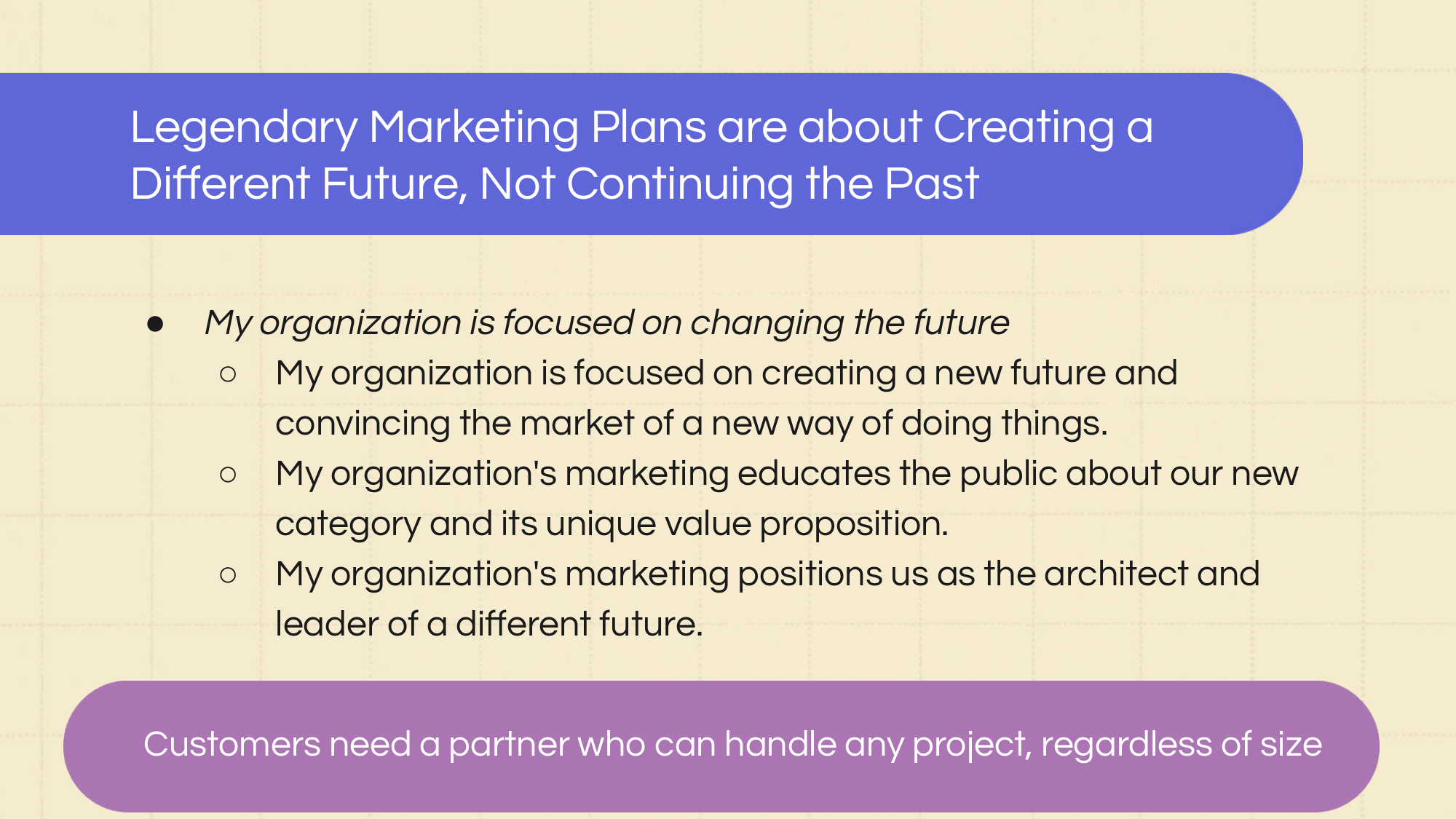
The future will not reward the loudest Ads. It will reward the clearest, most consistent, and most trusted Brands.
The ones that:
Know exactly who they are in relation to everyone else
Show up with the same story in marketing, sales, and delivery
Are willing to invest in the slow, unglamorous work of building brand equity—while everyone else keeps treating it like a quarterly switch to flip on and off
So as you’re planning next year, I’d invite you to hold two ideas at once:
Yes, we need to be responsible with spend.
And yes, some of the most important work we can do in 2026 will look, on the spreadsheet, like “expenses”—even while it behaves, in the real world, like an asset.
That tension isn't going away. But if we acknowledge it and plan around it, our Marketing plans stop being a list of things to buy, and start becoming a roadmap for the Brand we actually want to own.